Implementation:
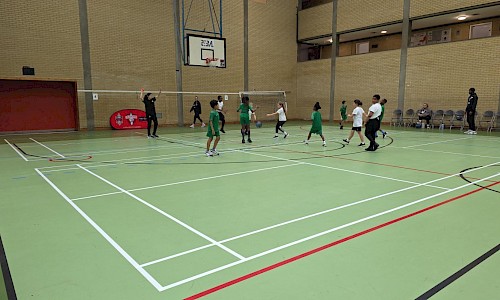
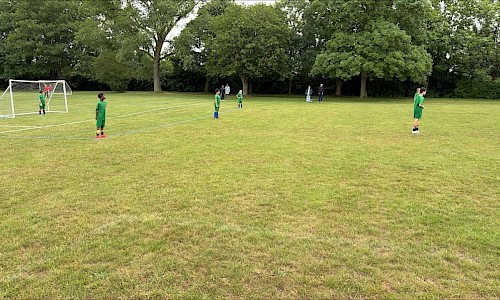
Long-term sequencing: Autumn – Basketball/Netball then Football/Rugby build invasion fundamentals and rules literacy; Spring – Gymnastics/Dance develop strength, flexibility, technique, control, balance, choreography and performance refinement; Summer – Handball/Hockey (invasion transfer), Cricket/Rounders (striking & fielding) and Athletics (run/jump/throw, personal-best tracking).
Pedagogy: Teaching Games for Understanding and conditioned games in invasion units; explicit technique modelling and perform–review–refine cycles in dance/gym; scaffolded assessment for decision-making and skill execution. Lesson structure follows warm-up → modelled input → practice → games application → plenary for clarity and progression.
Inclusion & progression: Differentiated equipment, space, rules and roles; vocabulary-rich instruction; leadership opportunities (warm-ups, captains, officials, choreographers). Assessment uses success criteria aligned to end-of-key-stage expectations (knowledge, application, understanding). Safety & wellbeing: safe landings/apparatus use, contact rules, and respect for officials; EYFS provision emphasises gross motor foundations and outdoor activity.
Impact:
By the end of KS1, pupils master basic movements, participate positively in team games with simple tactics, and perform simple dance patterns. By the end of KS2, pupils apply a broader range of skills in modified competitive games; show flexibility/strength/technique/control/balance (gymnastics); perform dances using varied movement patterns; compare performances and evidence improvement; and meet swimming and water safety outcomes. Impact is evidenced through lesson observation notes, self/peer assessment, event results (mini youth games tournaments, sports day), and end-of-unit performance tasks.