Curriculum Intent
At Gordon Children’s Academy, we believe that history helps children understand the world they live in and their place within it. Our ambitious history curriculum develops pupils’ curiosity about the past and enables them to understand how people, events and societies have shaped Britain and the wider world.
Through the study of local, British and world history, pupils develop a secure chronological understanding of the past whilst exploring recurring themes including monarchy, conflict, civilisation, innovation, inequality, religion, slavery, and migration and movement. These substantive concepts allow children to make meaningful connections between different periods of history and deepen their understanding over time.
We want pupils to think and work as historians. They learn to ask questions, analyse evidence, evaluate different interpretations and construct reasoned arguments. Through encounters with artefacts, historical sites, museums, archives and primary sources, children develop an understanding that history is not simply a collection of facts but an evidence-based discipline through which we can investigate and understand the past.
Our curriculum reflects the rich history of our local area whilst ensuring pupils gain knowledge of significant national and global events, civilisations and individuals. By studying a diverse range of people and societies, pupils develop respect, empathy and an appreciation of how the past continues to influence the present.
Implementation
History is taught through a carefully sequenced curriculum from EYFS to Year 6 that builds pupils’ knowledge, understanding and disciplinary thinking over time.
In EYFS and Key Stage 1, children begin by developing an understanding of chronology through their own lives, family histories and events beyond living memory. As pupils progress through Key Stage 2, they study increasingly complex periods and civilisations, building a coherent chronological narrative of Britain and the wider world.
The curriculum is structured around substantive concepts that are revisited across year groups and historical periods. This enables pupils to deepen their understanding of important historical themes and recognise patterns of continuity and change across time.
Alongside substantive knowledge, pupils develop disciplinary knowledge through the explicit teaching of historical concepts including cause and consequence, continuity and change, historical significance, similarity and difference, and the use of evidence. Historical enquiry is central to learning, with pupils regularly investigating questions, analysing sources and drawing conclusions from evidence.
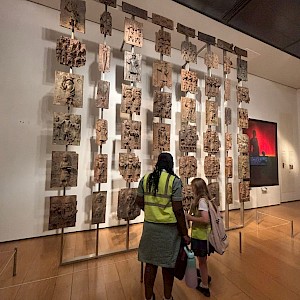
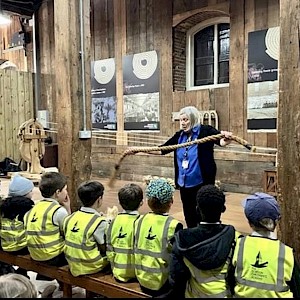
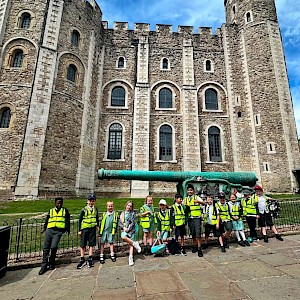
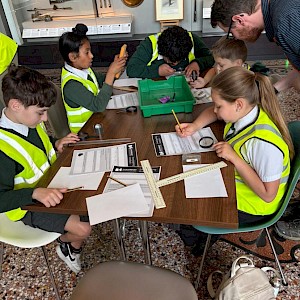
Learning is enriched through educational visits, museum experiences, archive work, themed days and engagement with local history. These experiences provide meaningful contexts that bring history to life and strengthen pupils’ understanding of the past.
Impact
By the time pupils leave Gordon Children’s Academy, they will possess a coherent understanding of British and world history and be able to place periods, events and civilisations within a secure chronological framework.
Pupils will be able to think critically about the past, ask historically valid questions, evaluate evidence, recognise different interpretations and construct informed arguments. They will understand that history is shaped by evidence and that historical accounts can be interpreted in different ways.
Children will be able to identify and explain significant historical themes, making connections between different periods and societies. They will demonstrate a growing understanding of how the past has influenced the modern world and appreciate the diversity of human experience across time.
Most importantly, pupils will leave primary school with a lasting curiosity about history, an appreciation of their local heritage and the knowledge and skills needed to continue their historical learning in secondary education and beyond.