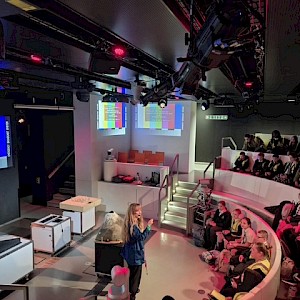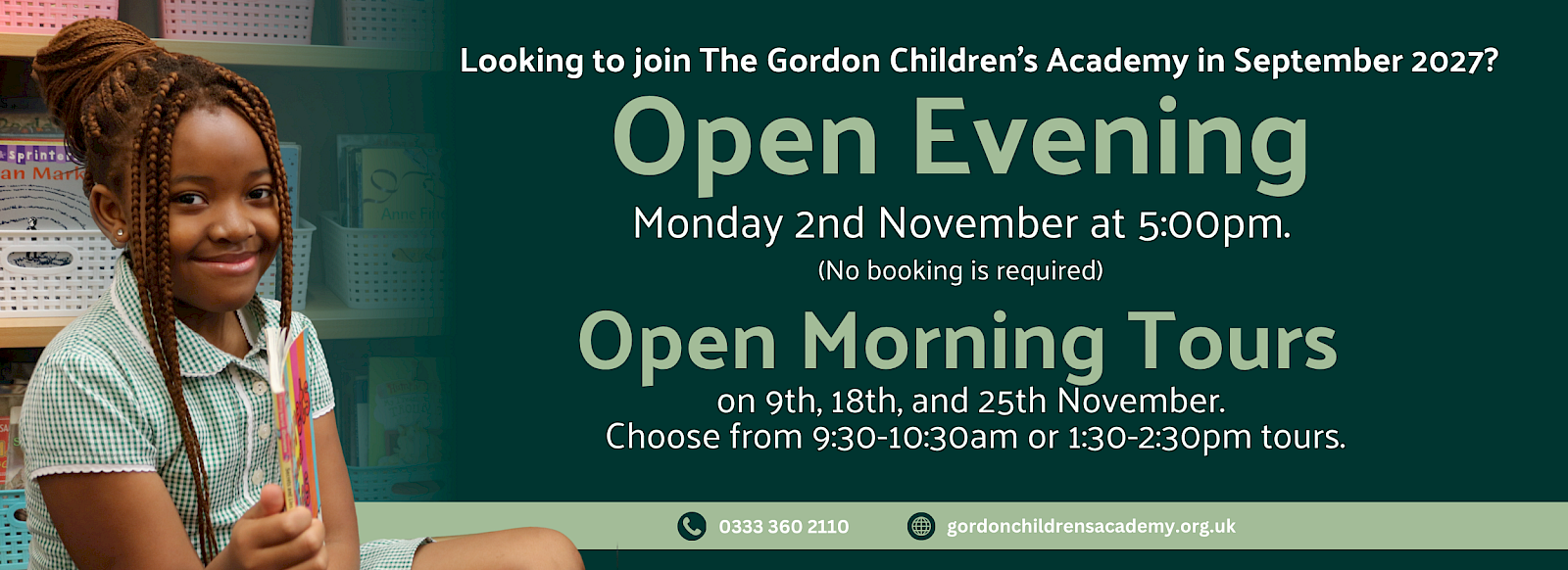
Join us for our Open Morning Tours to see our school in action and meet our staff and children.
Spaces are limited so please secure your place by booking here.
To help keep all pupils safe, please ensure the school has up-to-date information about any allergies your child may have. Accurate allergy information enables us to put appropriate support plans in place, train staff effectively, and respond quickly in an emergency. We all have a part to play in creating a safe environment, including following our nut-aware policy and being mindful of the food brought into school. If your child has an allergy, please contact the school or update their details via Arbor. Be Allergy Aware and Save A Life - see more here.
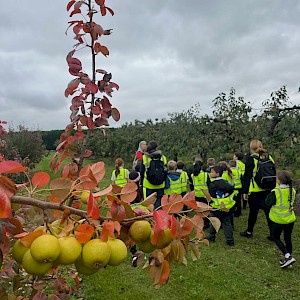
The Geography curriculum is designed to inspire curiosity and fascination about the world and its people, enabling pupils to understand their place within local, national and global communities. Through an ambitious and progressively sequenced curriculum, children develop a secure knowledge of diverse places, cultures, environments and landscapes, alongside an understanding of the relationship between physical and human processes.
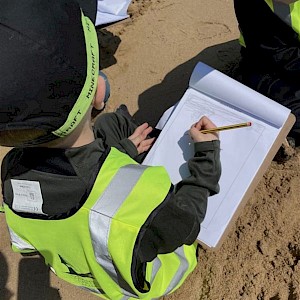
At Gordon Children’s Academy, we aim for all pupils to become confident geographers who can think critically about the world around them, appreciate diversity and understand their rights and responsibilities towards people and the environment. Through engaging learning experiences and fieldwork opportunities, pupils develop the knowledge, vocabulary and skills needed to explore, question and communicate geographical understanding effectively.
Geography learning is carefully planned to ensure pupils build knowledge, skills and understanding progressively throughout their time at Gordon Children’s Academy. Key geographical concepts are revisited and developed across year groups, allowing children to make connections between prior and new learning and deepen their understanding over time.
Children begin to explore their immediate environment and develop an awareness of places, people and communities.
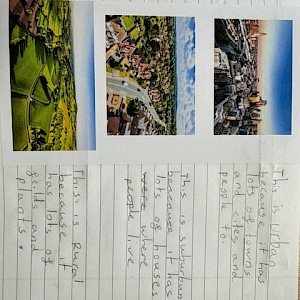
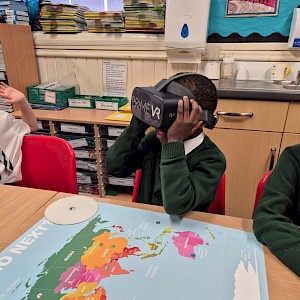
Pupils develop locational knowledge of the United Kingdom and the wider world, compare different places and begin to use geographical vocabulary and simple geographical skills.
Pupils expand their understanding of the world through the study of continents, countries, physical and human geography, and environmental processes. They investigate how places are connected locally and globally, explore geographical changes over time, and consider the impact humans have on the environment. Geographical fieldwork, map work and data analysis become increasingly sophisticated, enabling pupils to think critically and communicate their findings using a range of sources and methods.
Throughout their journey, pupils develop as independent learners by applying geographical enquiry skills, analysing information from a variety of sources and using geographical vocabulary with increasing accuracy and confidence.